Skip to content

Four board games that survived the move to a phone screen

See the four

What this site is for

Board games translate to a phone better than almost any other genre, and worse than almost anyone expects. Better, because turn-based rules do not care about frame rate and a game can be paused indefinitely. Worse, because a board designed for a table has to fit into six inches, and because half the pleasure of a board game is the people around it.

This site is written from Limerick and covers four adaptations that get the balance right. Each one is played at least twenty times to completion, mostly against other people, and each write-up covers three practical things: how the rules are handled, what the interface does to them, and what the game expects from your phone and your connection.

What you will not find here is a ranking of the most-downloaded board games, affiliate links, or claims about how many people play a given title. Every link goes to the official Google Play listing and nowhere else.

  • Tested on a current mid-range phone and one about four years old.
  • Played against real opponents wherever the game supports it.
  • No payment, no review copies and no arrangements with publishers.

The games

Four adaptations, four different problems solved

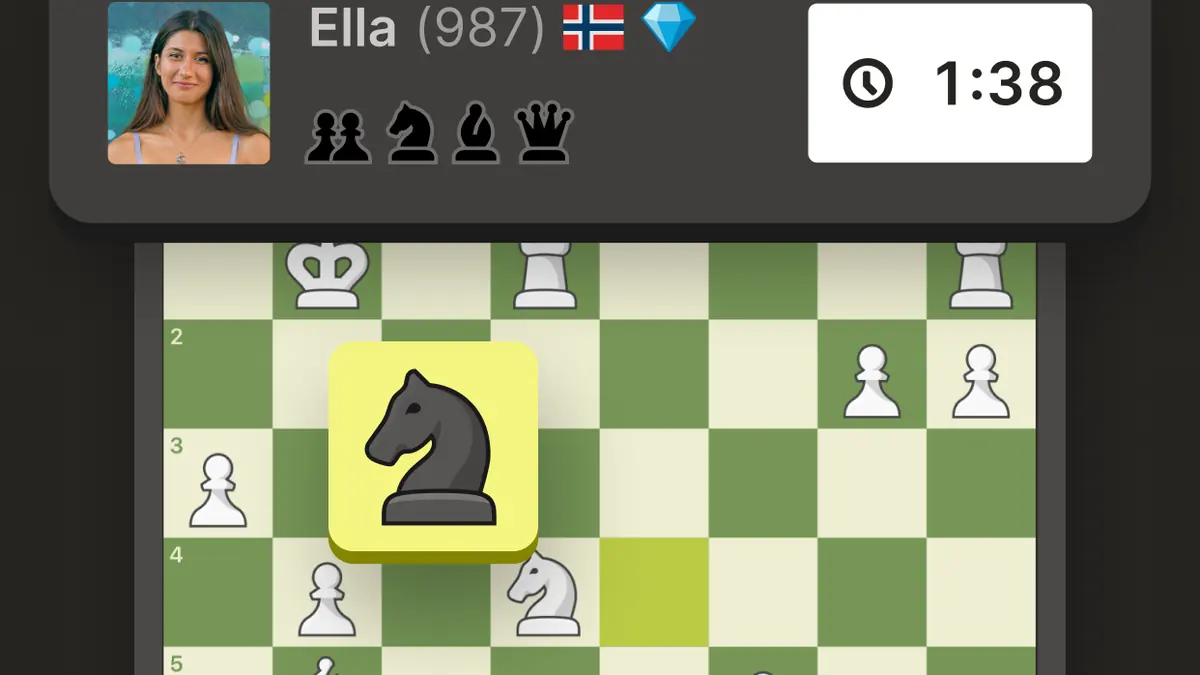
Abstract strategy · Chess.com

Chess — Play and Learn

The most complete chess application on Android and the only game here that is genuinely free to play in full. Puzzles, lessons and analysis sit alongside the games themselves, and the analysis is the part worth staying for.

Players
Two players or engine
Session
5 minutes to several days per game
Connection
Needs a connection
Model
Free, optional membership
Full write-up
Chess board on a phone screen

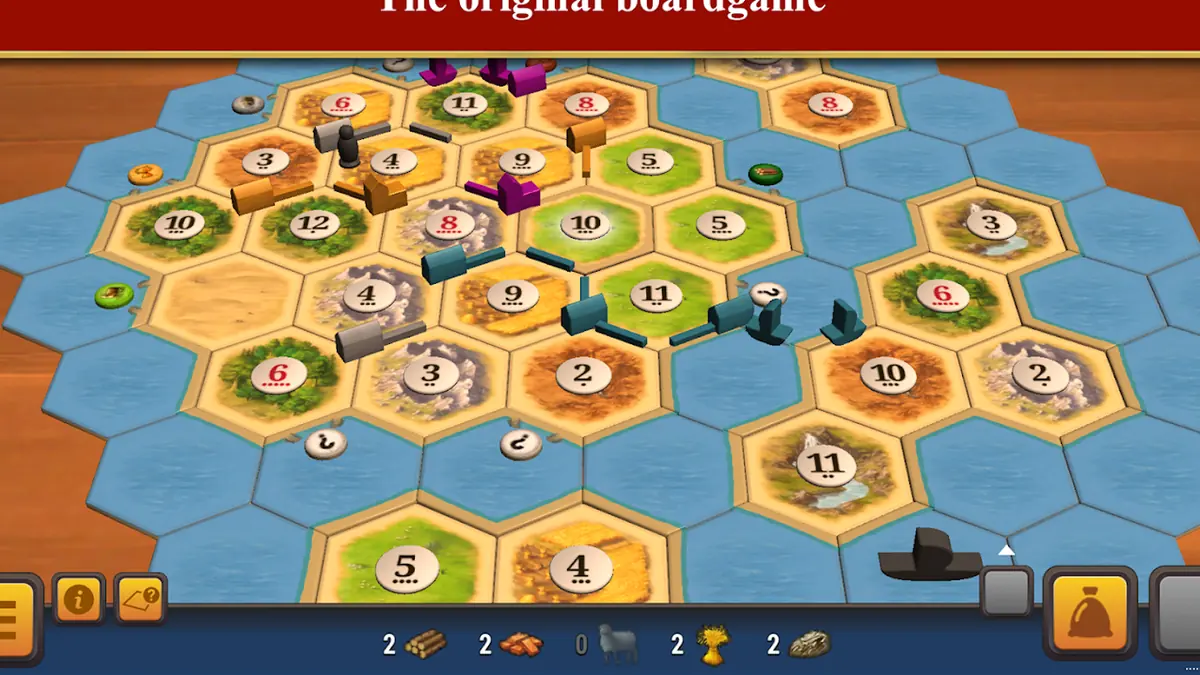
Trading and building · United Soft Media

Catan Universe

The official adaptation of the board game, including the base rules and separately sold expansions. Trading with other players is the heart of it, and that works considerably better against humans than against the computer.

Players
Three to four players
Session
45–70 minutes
Connection
Needs a connection
Model
Free base game, paid expansions
Full write-up
Hexagonal board in Catan Universe

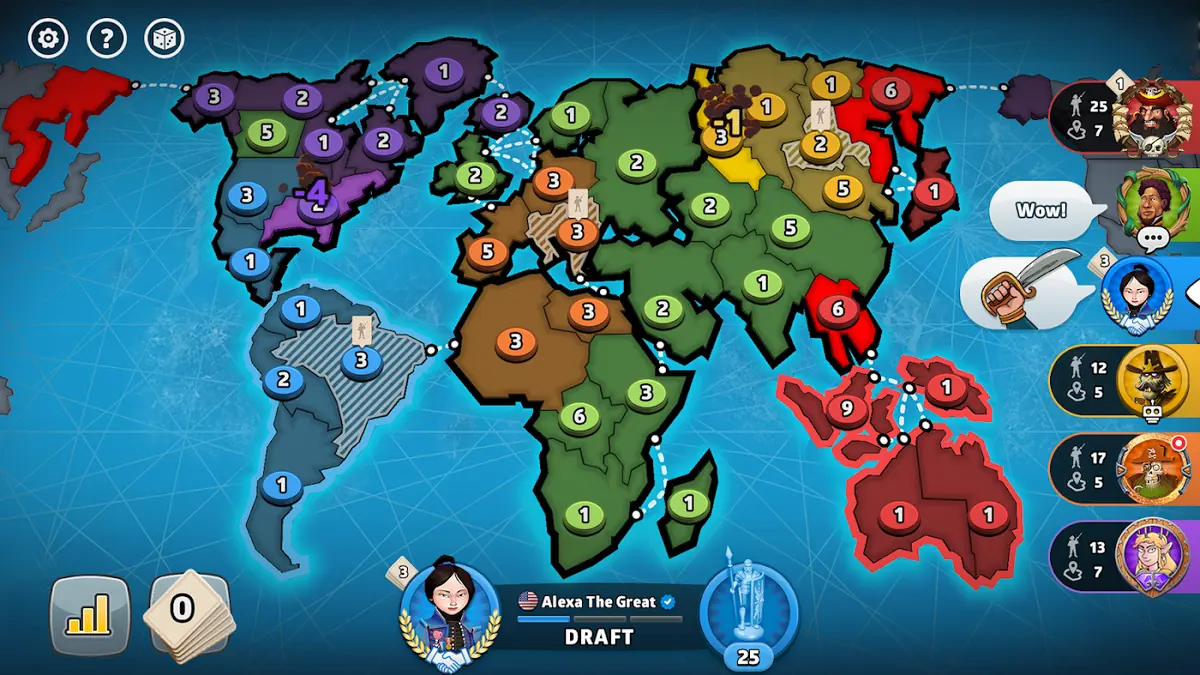
Area control · SMG Studio

Risk: Global Domination

Dice-driven conquest across a large selection of maps, with a fixed-time mode that removes the main historical problem with Risk — games that never end. The best adaptation of the four in terms of pacing.

Players
Two to six players
Session
20–45 minutes
Connection
Needs a connection
Model
Free with purchases
Full write-up
World map with armies in Risk: Global Domination

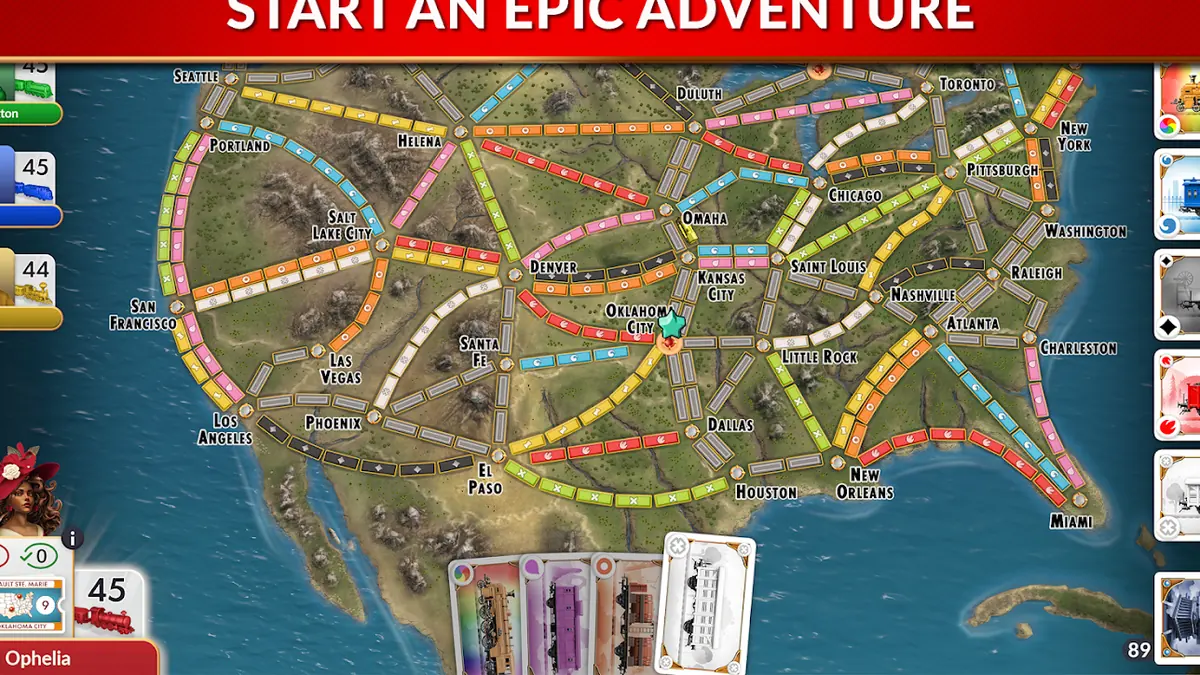
Route building · Marmalade Game Studio

Ticket to Ride

Collect cards, claim routes, complete destination tickets. It is the gentlest game here to learn and the one that scales best to playing against people who have never touched a board game.

Players
Two to five players
Session
30–45 minutes
Connection
Needs a connection
Model
Paid, with optional maps
Full write-up
Railway map in Ticket to Ride

Comparison

Side by side

Game Type Players Session Small screen Model
Chess — Play and LearnAbstract strategy25 min to daysComfortableFree, optional membership
Catan UniverseTrading and building3–445–70 minCrampedFree base, paid expansions
Risk: Global DominationArea control2–620–45 minCrampedFree with purchases
Ticket to RideRoute building2–530–45 minWorkablePaid, optional maps

Session lengths are averages from our own completed games, not figures published by the developers.

FAQ

Questions readers send in

Do any of these work offline?

Not really, and that is the honest answer. All four expect a connection for their main modes. Chess.com and Risk both offer play against the computer, but even those routes are handled server-side in normal use. If you need something for a tunnel, none of these four is the right choice.

What sort of phone do they need?

Nothing demanding. These are board games: the interface is the heaviest element, not the graphics. All four ran without trouble on our four-year-old test handset. The one thing that matters is screen size — Catan and Risk both put a lot of information on the board at once.

Which is easiest to teach someone?

Ticket to Ride, by a wide margin. The rules fit into two sentences and the tutorial does the rest. Catan needs someone to explain trading, Risk needs a run-through of the combat odds, and chess needs no introduction but plenty of patience.

Are the rules faithful to the physical games?

Yes in all three adaptations. Catan Universe and Ticket to Ride follow the published rules closely, and Risk includes both the classic ruleset and modern variants. Where they differ from the tabletop version it is in convenience — automatic scoring, enforced turn order, no arguments about whether a route was claimed.

How much do the paid versions cost?

Prices differ by country and by whatever promotion is running, so we do not quote figures. The current price, along with any additional purchases, is shown on each game's Google Play listing before you confirm anything.

Is Risk gambling because it uses dice?

No. Dice determine combat outcomes within the game, exactly as they do on a physical board, and nothing of value is staked or won. The same applies to card draws in Catan and Ticket to Ride.

How long did you play each one?

At least twenty completed games per title, across a month, mostly against other people rather than the computer. Chess.com was used daily for the same period, largely for its puzzles.

Do publishers pay for coverage here?

No. Games are bought and downloaded by us and there are no agreements of any kind with the publishers. See the Legal Notice.

Is there an adaptation we should look at?

We are interested in board game conversions that keep the published rules intact and handle the interface honestly. If one comes to mind, send it over — it gets twenty games before anything is written about it.

Get in touch